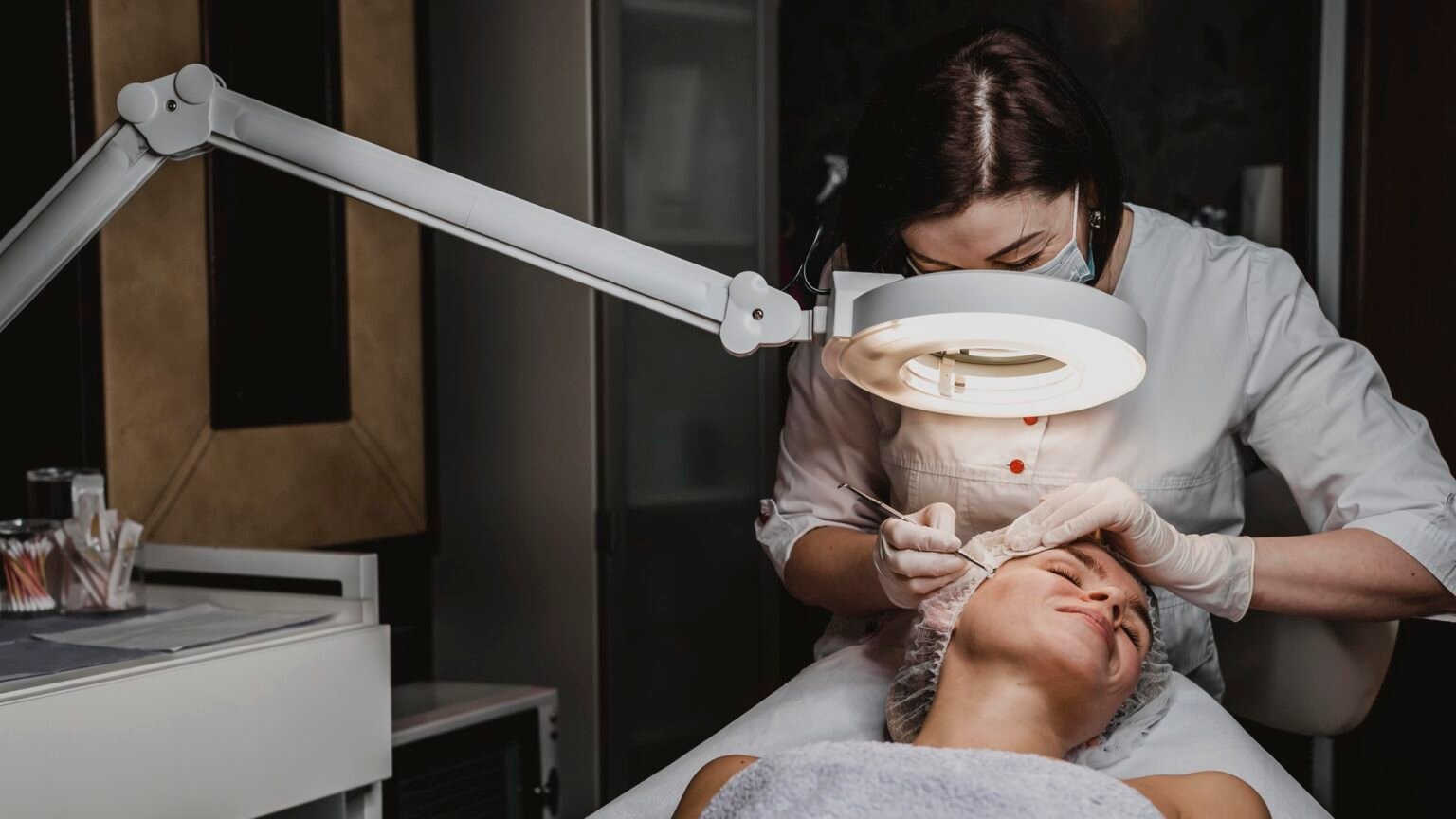
VICTORIA AESTHETICS LASER CENTRE · MEDICAL LASER TATTOO REMOVAL IN SEYCHELLES
The SmartPicosecond multi-wavelength platform, with wavelength selection matched to ink colour, tattoo depth, skin type and treatment history — planned for progressive clearance or controlled fading, with realistic expectations from the first consultation.
PLATFORMSmartPicosecond™
GOALClearance or controlled fading
FIRST STEPInk & colour assessment
AT A GLANCE
Tattoo removal is a physician-guided biological process, not a cosmetic erase tool. The laser shatters dense pigment into microscopic particles; your macrophages and lymphatic system then filter them out gradually, over weeks, between sessions.
Because tattoo inks are chemically unregulated mixtures, complete clearance can never be guaranteed. What we can do is select the right wavelength for the pigment actually present, and tell you honestly what your tattoo is likely to require.
No responsible clinic can promise complete removal or an exact number of sessions from a photograph alone.

PROBLEMS WE TREAT
Clearance · fading · correction
Not every tattoo is trying to disappear. Some patients want maximum clearance, others want just enough fading to give an artist a workable canvas. The objective changes the plan, so we agree it before the first pass.

High-density carbon structures and chemically bound composite pigments sitting deep in the dermis. These commonly require a longer course than lighter amateur work.

Superficial applications, faded custom work and traumatic ink entry. Some respond in fewer sessions, but that cannot be assumed before assessment.

Different colours absorb different wavelengths, so one tattoo may need more than one wavelength across its course — and the plan may change as colours fade.
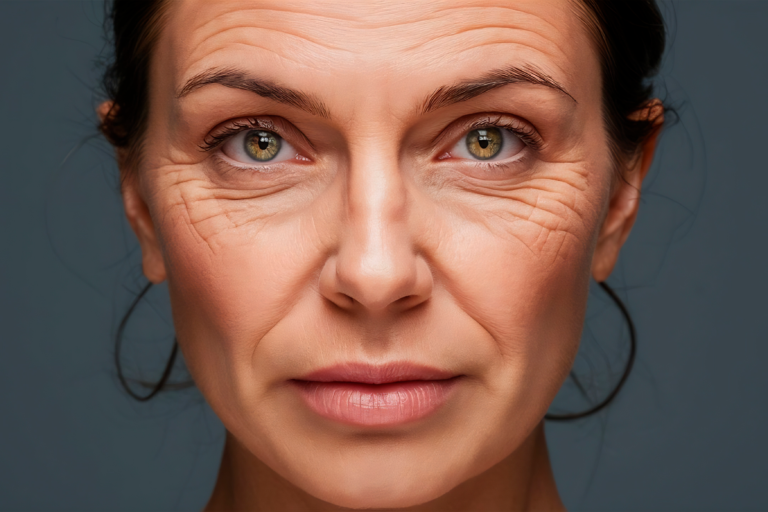
Eyebrow, eyeliner, lip and camouflage pigments need particular caution: inks containing iron oxides or titanium dioxide can darken unexpectedly after laser exposure.

Complete removal is not always the goal. Controlled fading can reduce pigment density enough to give your artist real freedom for a new design.

Cover-ups hide older ink underneath. As the top layer clears, pigment you have not seen in years can reappear, and the strategy adapts to it.
THE CLINICAL FACTOR THAT DECIDES EVERYTHING
Treatment planning begins with direct assessment of the tattoo and the skin — never from a photograph alone. How quickly ink clears depends on your own macrophage activity and lymphatic drainage, the age of the tattoo, and local circulation. Patience, correct spacing between sessions and compliance with the aftercare are not suggestions; they are part of the treatment.
WHAT ACTUALLY HAPPENS
Pulse · fragment · clear
Picosecond pulses deliver energy over extremely short durations. When a wavelength is absorbed by tattoo pigment, the rapid photoacoustic and photothermal interaction fragments the particles. Your body then clears a proportion of that fragmented pigment gradually, between sessions — which is why the fading you see happens in the weeks after each appointment, not on the day.
Energy is delivered in picoseconds — short enough that the pigment absorbs it as a mechanical shock rather than as sustained heat spreading into the surrounding tissue.
Dense ink particles break into much smaller fragments. Nothing has left the skin yet; what has changed is that the pieces are now small enough to be carried away.
Over the following weeks, macrophages and the lymphatic system remove a proportion of those fragments. This is the part you actually see, and it is why sessions are spaced.
COLOUR-BY-COLOUR PLANNING
Black, red, green, blue and mixed tattoos do not behave the same way. Select the dominant colour in your tattoo to see which wavelength usually leads, roughly how many sessions tend to be planned, and what makes that estimate move.
Pigment labels such as “red”, “green” or “black” describe appearance, not chemical composition. Two tattoos that look the same colour can behave completely differently.
BLACK / BLUE-BLACK PIGMENT
1064 nmprincipal wavelength
1064 nm is a principal wavelength for black and dark blue-black pigment. Its longer wavelength is absorbed relatively less by epidermal melanin than shorter visible wavelengths, which is why it carries an important role in darker phototypes.
Often among the more predictable pigments.
| Visible pigment | Wavelength usually used | Typical planning range | Clinical note |
|---|---|---|---|
| Black / dark blue-black | 1064 nm | approx. 4–8+ sessions | Often among the more predictable pigments; dense professional work, heavy saturation and distal sites may need more. |
| Red / orange | 532 nm | approx. 4–8+ sessions | Response depends strongly on ink formulation, density and whether other pigments are mixed into the visible colour. |
| Green / blue / teal | 755 nm | approx. 6–10+ sessions | These colours can resist some wavelengths; 755 nm widens the options for green and blue pigment. |
| Yellow / light pigments | 532 nm, variable | approx. 6–10+ sessions, or incomplete | Pale colours absorb less visible laser energy, so they can be difficult to target. Composition matters substantially. |
| Multicolour / cover-up / layered | Multiple, staged | often 8–12+ sessions | Underlying colours may only become visible after darker superficial pigment fades, and the wavelength plan changes with them. |
| Cosmetic, flesh-tone & white | Assessed individually | no standard range | Iron oxide or titanium dioxide pigments may darken paradoxically after laser exposure. A test spot or a different strategy may be appropriate. |
TREATMENT & DIFFERENTIATION
Not a beauty service
Skin type, tattoo characteristics, medical history, scarring tendency and any previous laser response are considered before a single pulse is delivered.
The platform provides 532, 755, 1064 and 1320 nm. Pigment targeting uses the wavelength supported for the visible ink and for your skin.
Wavelength selection may change during the course as dominant pigments fade and previously hidden colours surface.
Epidermal melanin competes for laser energy at some wavelengths, so darker phototypes need particular attention to wavelength, fluence and endpoint.
The laser fragments pigment. The tattoo fades between sessions as your body clears the treated particles — there is no version of this that happens in one day.


SKIN OF COLOUR · MEDICAL LASER PLANNING
Tattoo pigment is not the only thing in your skin that absorbs laser energy. Natural epidermal melanin absorbs some wavelengths too, which means darker skin needs careful wavelength and energy selection to limit unnecessary epidermal injury and pigmentary change.
Fitzpatrick skin type, recent tanning and sun exposure, previous pigmentation changes and the colours actually present in the tattoo.
1064 nm often carries an important role for black and dark ink in darker phototypes, because it penetrates deeper and is absorbed relatively less by melanin than shorter wavelengths.
Effective pigment disruption while respecting how the skin responds. Intensity is adjusted between sessions according to healing and clearance.
In Seychelles, sun exposure before and after treatment matters more than almost anywhere. Strict photoprotection is part of the plan, not an afterthought.
“The objective is not to remove the tattoo in the fewest possible sessions at any cost. It is to achieve progressive clearance while protecting the surrounding skin.”
PATIENT JOURNEY
Assessment first
STEP 01
We document colours, size, density, location, professional or amateur origin, cover-up history, approximate age, previous laser treatments, skin type and pigmentation tendency. Standardised photography gives us a baseline.
STEP 02
We identify the wavelengths likely to be needed and agree whether the goal is maximum clearance or fading for a cover-up. You get an indicative range, not a guaranteed session count.
STEP 03
The area is prepared and eye protection is mandatory for everyone in the room. Topical anaesthesia and cooling are used according to the area and your sensitivity.
STEP 04
The selected wavelength is applied according to pigment colour and skin characteristics. Multicoloured tattoos may need different wavelengths, within a session or across the course.
STEP 05
Cooling, barrier-repair emollients and written post-laser instructions. The skin recovers while your body continues clearing fragmented pigment, and at follow-up we reassess both clearance and skin response before setting the next parameters.
RESULTS & SESSION ESTIMATES
Estimates, not promises
There is no scientifically reliable way to promise an exact number before treatment — published studies show wide variability. The ranges below are practical planning estimates for the consultation, and they may change once we see how your tattoo actually responds.
4–8+ sessions
Often among the more predictable pigments, particularly with 1064 nm. Dense professional tattoos, distal locations, layering and heavy saturation may require more.
4–8+ sessions
Usually targeted with 532 nm. Response depends strongly on the ink formulation, its density, and whether other pigments are mixed into the visible colour.
6–10+ sessions
These colours can resist some wavelengths. 755 nm widens the options for green and blue pigment, but individual response remains variable.
6–10+ or incomplete
Yellow can respond to 532 nm in some tattoos, but pale colours absorb less visible laser energy and may be difficult to target. Composition matters substantially.
8–12+ sessions
Multiple wavelengths and staged treatment are often necessary. Underlying colours may only become visible once darker superficial pigments fade.
No standard range
These require special assessment. Iron oxide or titanium dioxide pigments may darken paradoxically after laser exposure, so a test spot or an alternative strategy may be appropriate.
COMPLETE REMOVAL CANNOT BE GUARANTEED
Some tattoos clear extensively. Others leave residual pigment, a faint ghost, a colour change, or textural evidence of the original tattoo. The aim and the likely endpoint are agreed with you before treatment begins — not discovered halfway through a course.
We would rather tell you at the assessment that your tattoo may not fully clear than sell you eight sessions and explain it afterwards.
AFTER EACH SESSION
Hours to weeks
FIRST HOURS
An immediate whitening or frosting of the treated area may occur, followed by redness, warmth and local swelling.
DAYS 1–3
Tenderness, swelling, small blisters or pinpoint crusting can occur, depending on how the area responded.
DAYS 3–10+
The area settles progressively. Crusting and blister roofs must not be picked — this is the single most common cause of avoidable scarring.
FOLLOWING WEEKS
Fading continues gradually as fragmented pigment is cleared. The next session is scheduled only once the skin has recovered adequately.
Treatment intervals are individualised. Tattoo removal commonly requires several weeks between sessions, and longer intervals may be appropriate depending on healing, skin type, tattoo response and the area treated. Rushing the spacing does not speed up clearance; it raises the risk.
THE RISK NOBODY ADVERTISES
The concern patients rarely hear about is ghosting — hypopigmentation, where the skin's own melanin is targeted alongside the tattoo pigment and a pale shadow of the design is left behind. It can be transient or, in some cases, lasting. The risk rises with older thermal lasers, with excessive fluence and with aggressive overlapping passes.
Delivering energy in the picosecond domain works largely through acoustic disruption rather than sustained thermal build-up, which substantially reduces that risk compared with older nanosecond and thermal devices. It does not remove it. Nor does any device remove the risk of textural change or scarring, which is why conservative progression, correct spacing and aftercare compliance matter as much as the platform does.
Any clinic telling you a laser carries no risk of pigment or texture change is selling you something.

CANDIDACY & SAFETY
Assessed, not assumed
MAY BE CONSIDERED FOR
And, above all, patients who understand that clearance is a process rather than a single treatment.
ASSESSMENT REQUIRED · MAY BE POSTPONED, MODIFIED OR AVOIDED
Contraindications and risk factors are not limited to this summary. Final candidacy is determined during clinical assessment.
WHITE · FLESH · PINK · COSMETIC PIGMENTS
Pigments containing titanium dioxide or iron oxides can darken after laser exposure — the opposite of what you came for, and sometimes difficult to reverse. If your tattoo includes white, flesh-tone, pink or cosmetic pigment, direct assessment and, where appropriate, a test treatment matter more than anything else on this page.
MONT FLEURI, MAHÉ
TREATMENT INVESTMENT
By tattoo size
Price reflects tattoo size, colours, complexity and the number of wavelengths required. The figures below are starting points; the final plan is confirmed after assessment.
SMALL / TARGETED · UP TO 5 × 5 CM
SCR 2,500per session
Pack of 3 · SCR 6,750
Best for: small, localised single-colour tattoos, or limited fading.
Book an assessment (opens in a new tab)MEDIUM · UP TO 10 × 10 CM
SCR 4,500per session
Pack of 3 · SCR 12,000
Best for: medium professional tattoos needing a structured multi-session clearance plan.
Book an assessment (opens in a new tab)LARGE · UP TO 20 × 20 CM
SCR 7,500per session
Pack of 3 · SCR 19,500
Best for: large professional pieces, half-sleeves and back panels.
Book an assessment (opens in a new tab)EXTRA LARGE
SCR 12,600per session
Pack of 3 · SCR 30,000
Best for: extra-large professional work. Size and complexity are confirmed at assessment.
Book an assessment (opens in a new tab)Final price is confirmed after assessment of tattoo size, colours, complexity and treatment objective. A pack of sessions is a price for those sessions — it is not a guarantee of a clearance outcome.

MEDICAL AUTHORITY
Dr. Eric Licea, MD, MSc
Medical Director — Victoria Aesthetics
With over 30 years of clinical and surgical experience, Dr. Licea approaches tattoo removal as a biological and anatomical procedure rather than a cosmetic one. His background in general surgery and in photoacoustic laser medicine informs how dense synthetic ink matrices are broken down while the structure and appearance of the surrounding tissue are protected.
Specialist in medical-surgical laser and advanced aesthetics.
532, 755 and 1064 nm selected for the pigment actually present.
More than one wavelength across a course, as the dominant colours change.
Fluence and endpoint set for your skin, not for a protocol sheet.
Clearance and skin response reviewed before the next session is planned.
QUESTIONS
Sometimes very extensive clearance is possible, but complete removal cannot be guaranteed. Residual pigment, a faint shadow, a colour change or pre-existing tattoo-related texture may remain. The likely endpoint depends on the tattoo and becomes clearer once we see how it responds to the first sessions.
Most tattoos need several. Black and dark tattoos commonly fall in a 4–8+ session planning range, while resistant colours, multicolour tattoos, dense professional work and cover-ups may need 6–12+ or more. These are counselling ranges for the consultation, not promises.
1064 nm is a principal wavelength for black and dark blue-black pigment and is widely used in tattoo removal. Your skin type and the tattoo's own characteristics still determine the settings used.
532 nm is commonly used for red and orange pigments and may also target some yellow-containing inks. Actual response depends on pigment composition and density.
They can often be treated, though they may be more resistant than black. The platform includes 755 nm, a wavelength that is particularly useful for green and blue-teal pigments.
It may be appropriate, but treatment has to account for epidermal melanin and for the greater consequence of excessive inflammation or pigmentary change. Wavelength selection, energy, recent sun exposure and treatment endpoints are therefore individualised, and some patients are advised to wait or to proceed more slowly.
The laser fragments susceptible pigment in minutes, but the visible clearance happens afterwards, as your body processes the treated particles over weeks. The skin also needs adequate time to recover before further laser exposure, which is why sessions are spaced rather than stacked.
Selected cosmetic tattoos can be treated, but they need particular caution. Flesh, white, pink, brown and cosmetic pigments may contain iron oxides or titanium dioxide and can darken unexpectedly after laser exposure. Assessment, and often a test spot, come first.
It can. Mixed inks may contain underlying colours that become visible as the darker components fade, and cosmetic pigments can behave unpredictably. The treatment strategy may therefore change partway through a course.
Yes. Many patients want enough fading to make a good cover-up possible rather than full clearance. We define that objective at the initial assessment and stop when sufficient fading has been achieved.
Most patients describe a fast snapping sensation rather than sustained burning. Topical anaesthetic is applied around 45 minutes beforehand and continuous cooling is used throughout, but comfort varies with the area treated, the settings and individual sensitivity.
No instant-removal promises · colour-specific wavelength planning · clear session expectations.
MEDICAL LASER TATTOO REMOVAL IN MAHÉ, SEYCHELLES
Your private assessment evaluates colour, density, depth, layering, skin type and what you actually want from the outcome. We then explain which wavelengths are likely to be required, give you a realistic session range, and name the limitations that may affect final clearance.
What you will not get here. A promise of complete removal, a fixed session count from a photograph, or a quote before anyone has looked at your skin.
Colour-specific wavelength planning · clear session expectations · a medical laser environment.
NOT READY TO BOOK?
A practical medical guide to tattoo colours and laser wavelengths, expected session ranges, aftercare, and the factors that actually determine how quickly a tattoo fades.
We send rarely and you can unsubscribe at any time.

Book the tattoo assessment and we will look at the ink and the skin before quoting you anything, or take the online assessment first if you would rather start from home.
Confidential. Physician-led. Ink and colour assessment, wavelength strategy and a realistic session estimate.
Take our personalized assessment to find the perfect protocol for your goals.
CONTACT US
Your wellness journey is important to us. We believe in open communication and partnership with our patients. Share your experiences, ask questions, and let us know how we can best support you. We're always here to listen and provide the information you need.
You can make an appointment right now, or fill out the form and you'll receive an answer as soon as possible.
CLINIC ADDRESS
Bel Etang Building, Hermitage Road,
Mont Fleuri, Mahé, Seychelles
PHONE
+248 2 511 268
Call us+248 2 511 268
Talk with us (opens in a new tab)seychellesaesthetics@gmail.com
Send an emailA 50% deposit confirms your appointment ·
ACCREDITATIONS & MEMBERSHIPS









VICTORIA AESTHETICS & WELLNESS CENTRE
International Standards. Island Luxury.
CLINIC HOURS
Monday–Friday: 8:30 AM – 4:30 PM
Saturday: 8:30 AM – 12:30 PM
General medical disclaimer: Educational content only — not medical advice, diagnosis, or a guarantee of individual outcomes. All treatments at Victoria Aesthetic & Wellness Clinic are offered under strict physician supervision, with individual assessment, informed consent, and documented follow-up.
© 2026 Victoria Aesthetics Wellness Centre. All rights reserved.
Website by