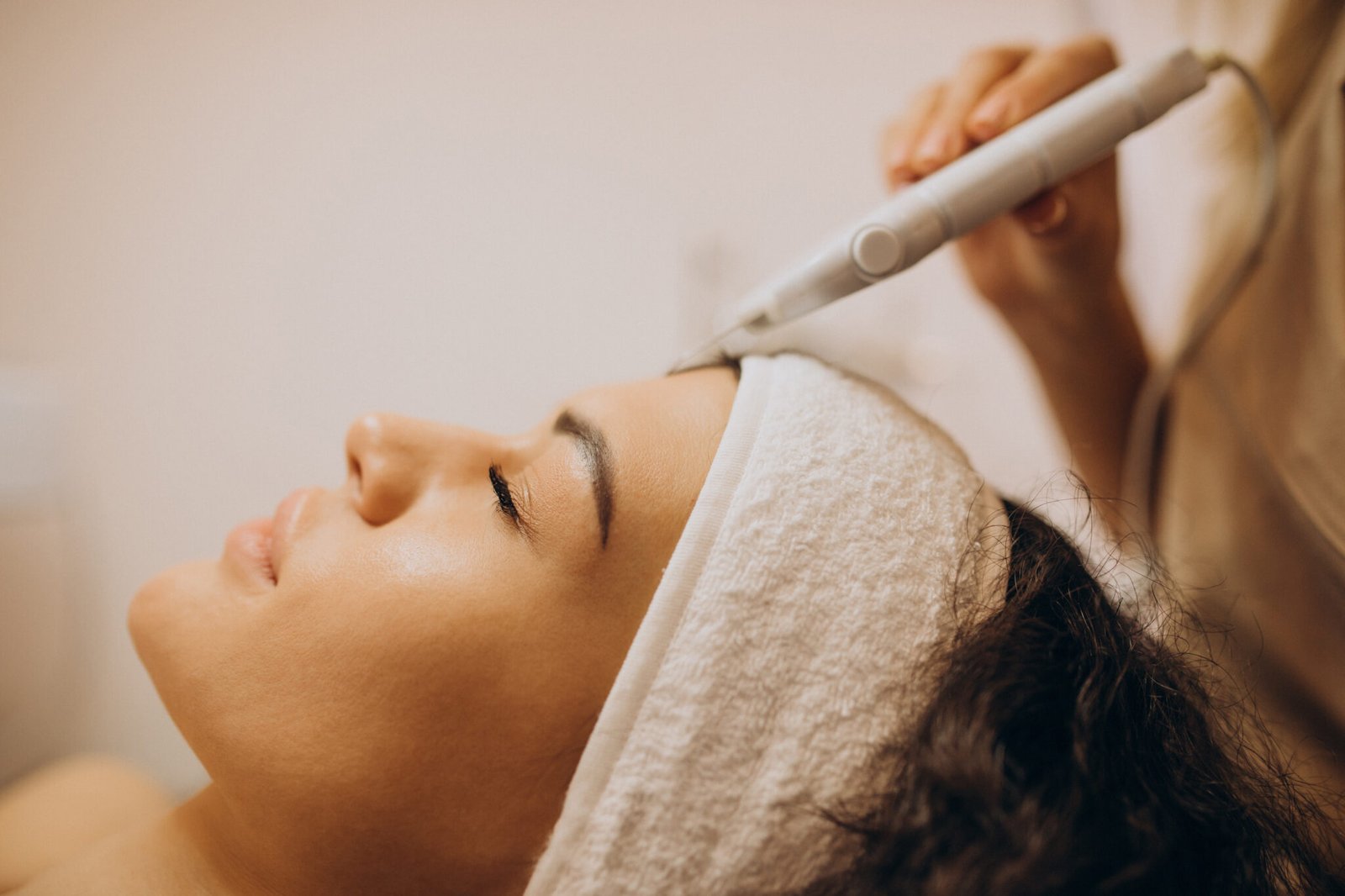
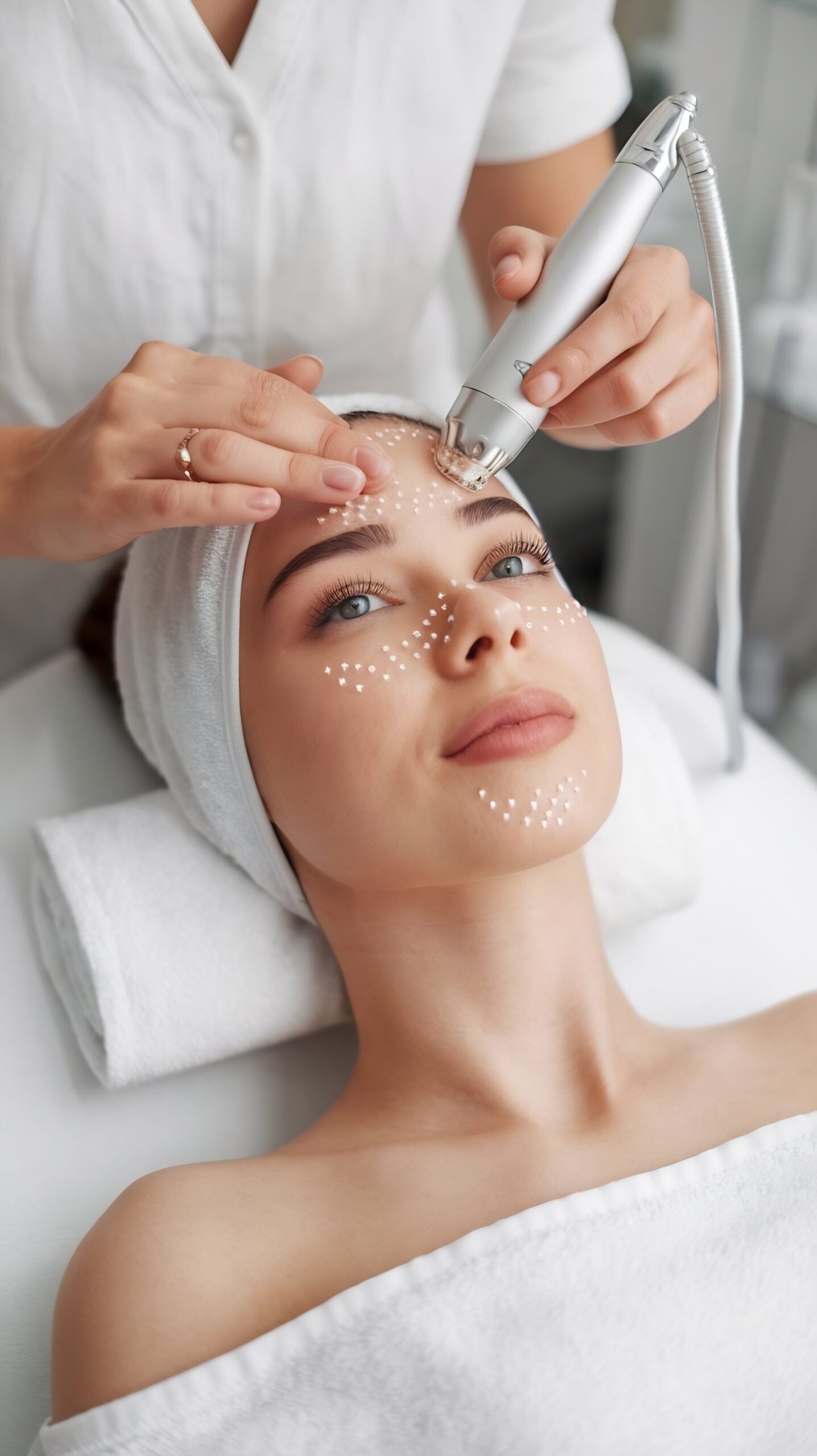


Collagen remodelling
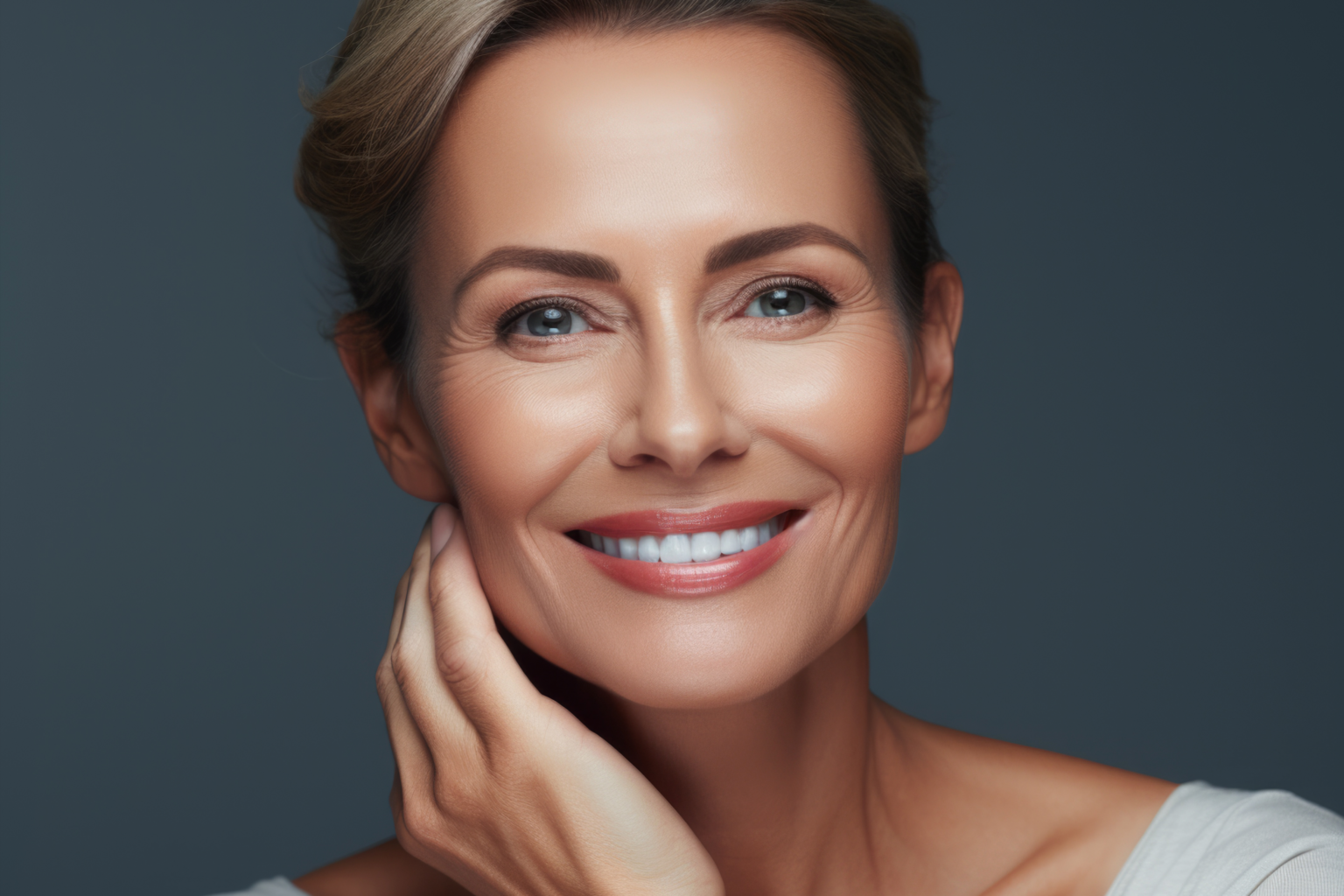
The controlled healing response recruits fibroblasts and new collagen over the months that follow. This is the part of the result that arrives slowly, and it is why the six-month review matters more than the six-day one.
VICTORIA AESTHETICS LASER CENTRE · ADVANCED MEDICAL DERMATOLOGY
Physician-led fractional laser protocols for photoageing, uneven texture, selected pigmentation concerns and acne scarring — with parameters tailored to your skin, your goals and the recovery you can actually give it, for all Fitzpatrick skin types, here in Mahé.
PROTOCOLFRAX-DUAL 360™
SOCIAL DOWNTIMETypically 5–7 days
FROMSCR 4,500 per session
AT A GLANCE
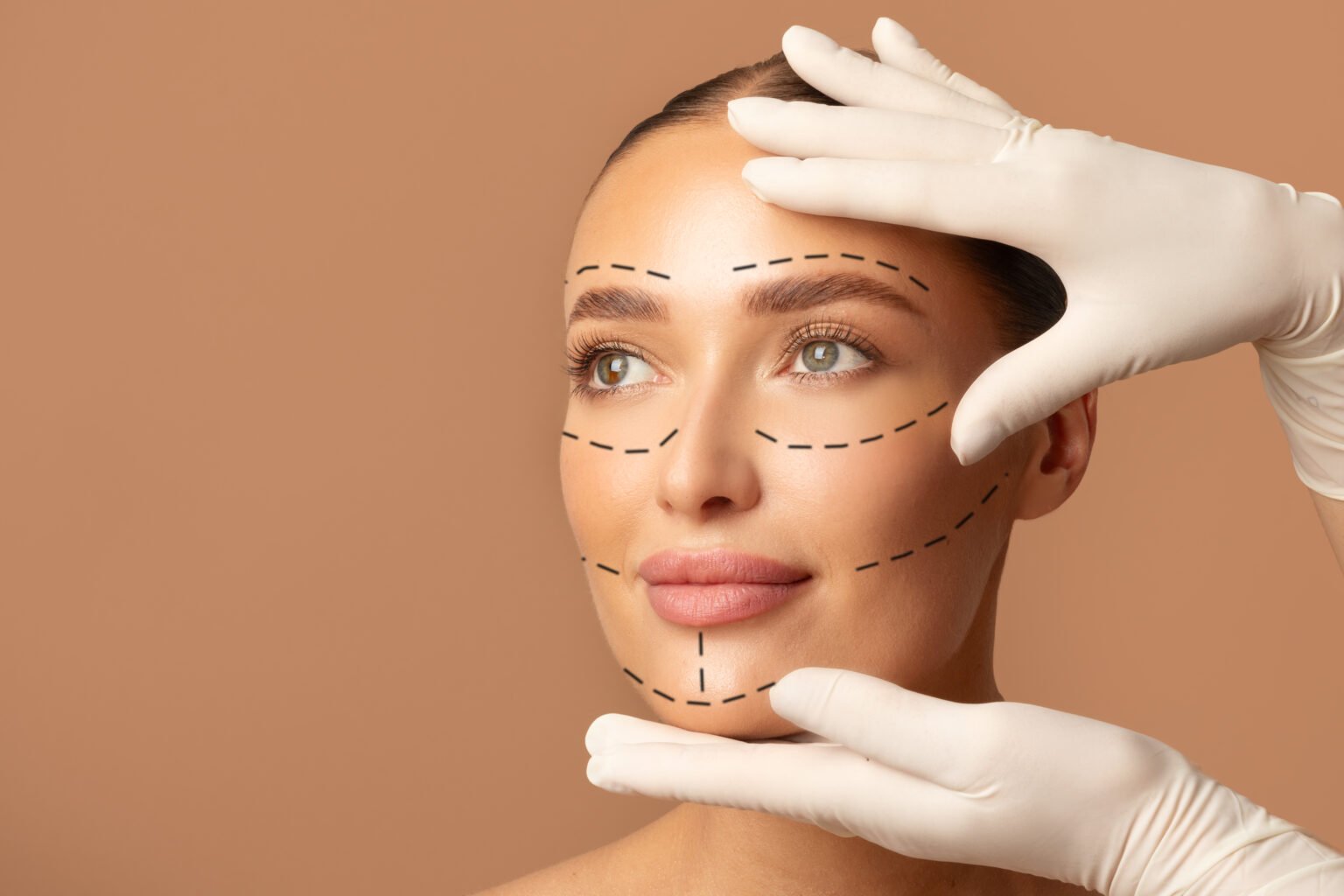
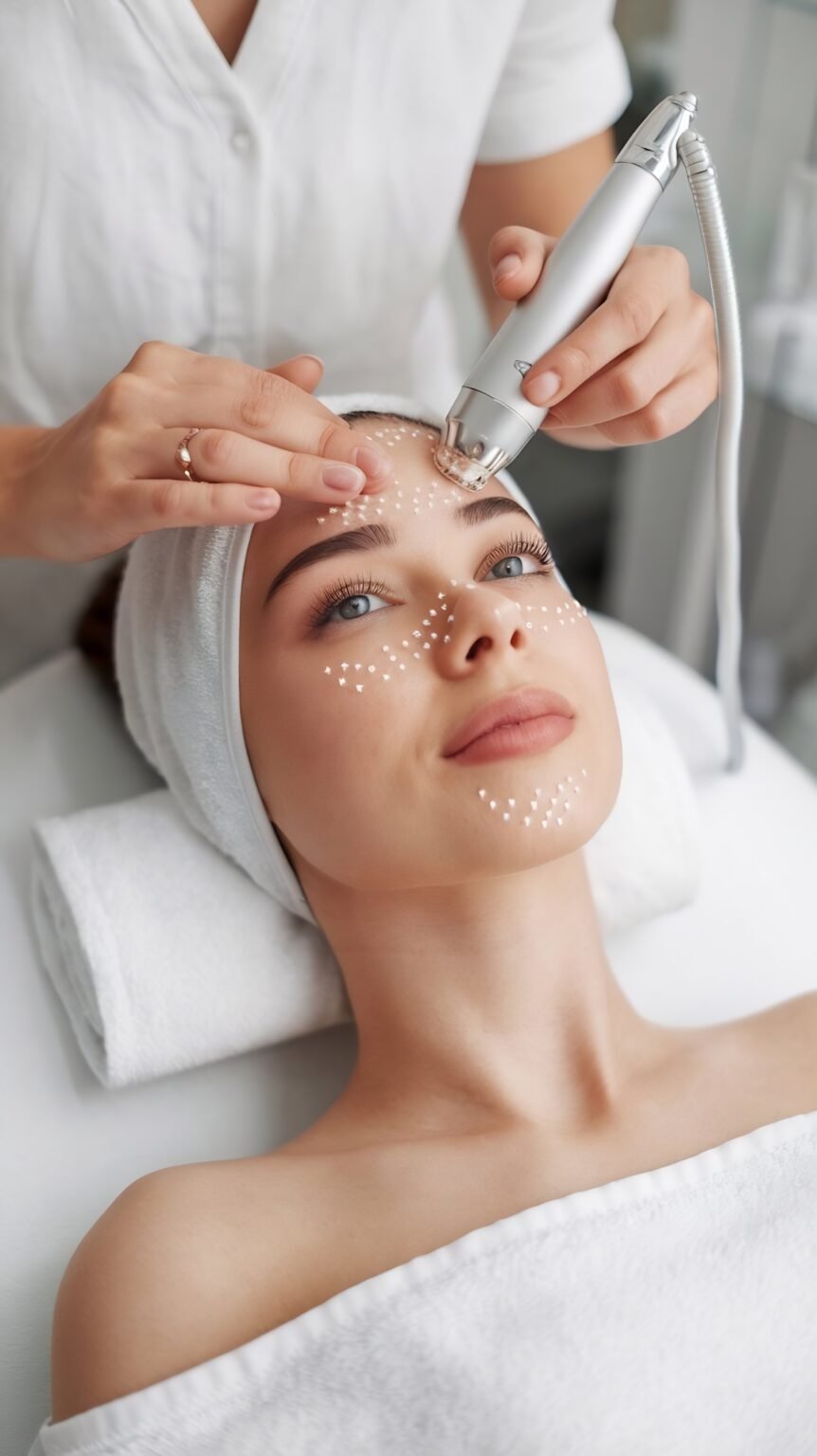
Fractional laser resurfacing creates controlled microscopic treatment zones while preserving the surrounding tissue. That stimulates a structured healing response and progressive skin remodelling.
Intensity is adjusted according to the indication, the anatomical area, your skin characteristics and the downtime you can realistically accept — which is why the consultation comes before the laser, every time.
Not every pigmentation disorder should be treated with resurfacing. Melasma and melanin-rich skin require individual assessment and a carefully selected strategy.
PROBLEMS WE TREAT
Six starting points
Healthy skin needs different clinical pathways depending on whether the concern sits in the skin's structure or in its surface pigment. Your protocol is selected from your specific condition, your skin type and the recovery you can accept.
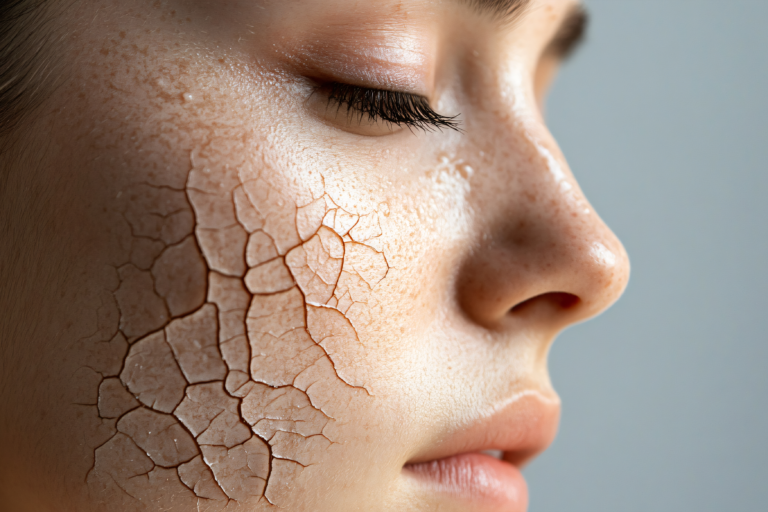
Years of tropical ultraviolet exposure show up as roughness, dullness and irregular surface tone long before they show up as lines.
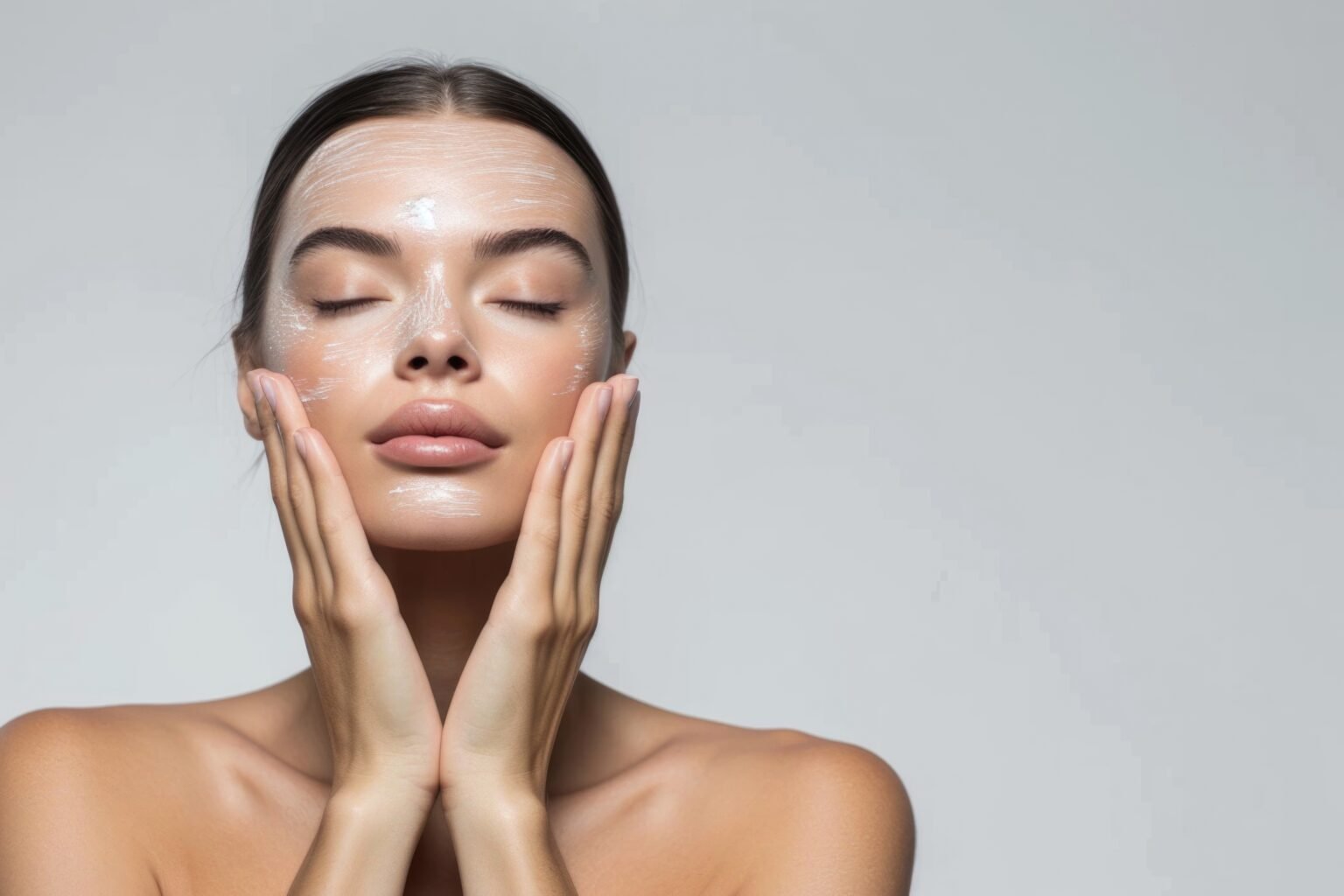
Surface irregularity and visible pores, where the goal is refinement of the skin's finish rather than volume or lifting.
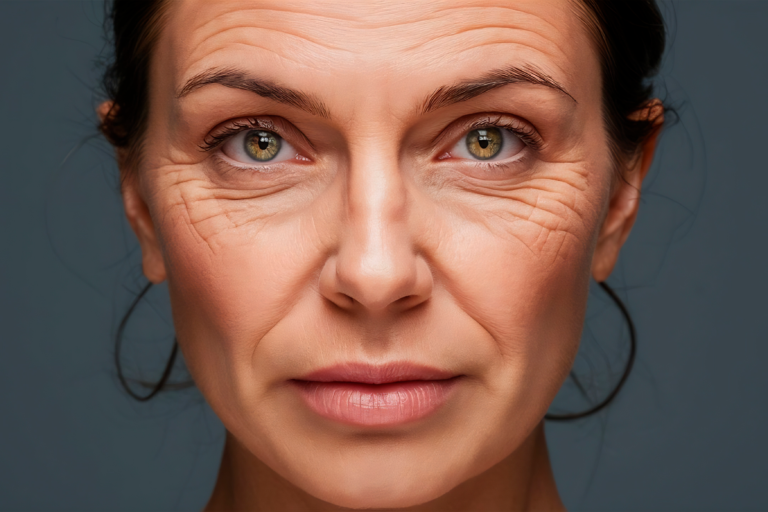
Early etched lines, particularly around the eyes and mouth, where the dual wavelengths allow delicate areas to be treated carefully.
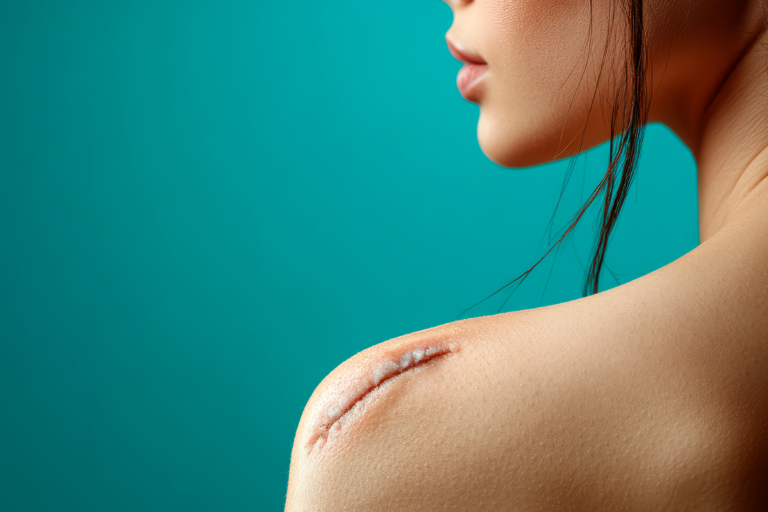
Rolling and boxcar patterns may respond to resurfacing. Deeper, tethered or ice-pick scars are assessed on the scar revision pathway.

Some pigmentation patterns respond well. Others, melasma among them, may be made worse by heat and are treated differently.
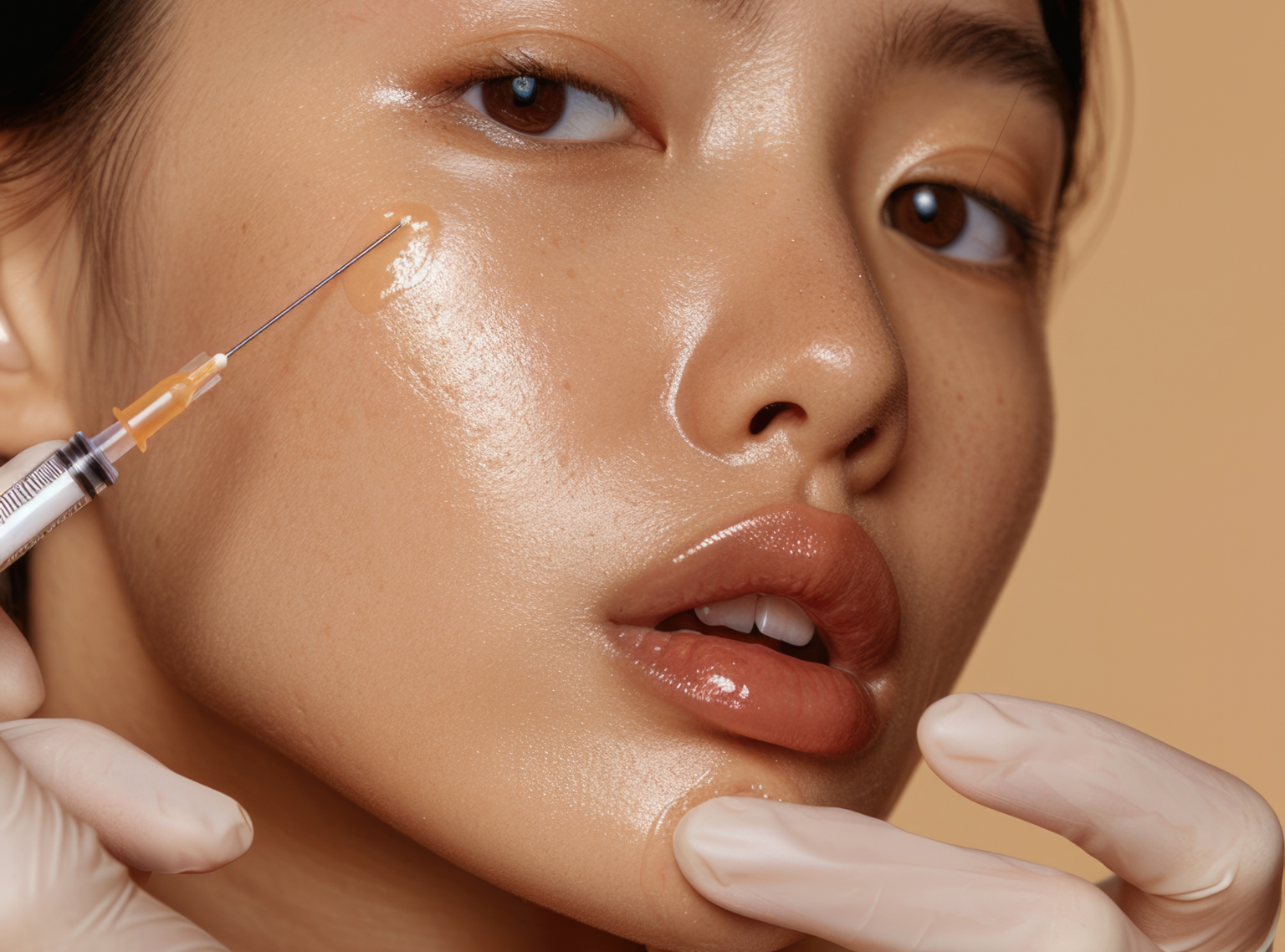
Preventative work for patients who want to support the dermis rather than correct a visible problem that already exists.
Not every pigmentation disorder should be treated with resurfacing. Melasma and melanin-rich skin require individual assessment and a carefully selected treatment strategy — which is decided at the consultation, not in advance.
THE MEDICAL ADVANTAGE
The 1927 nm Thulium beam works closer to the surface, where tone and pigment live. The 1550 nm Er:Glass beam reaches deeper into the dermis, where texture, scars and collagen live. Most protocols use both — the balance is what changes.
Select a concern to see which wavelength usually leads, and how deep the treatment is aimed. Depths shown are indicative of the principle, not of your own treatment plan.
TONE & PIGMENT
Surface tone, sun spots and irregular pigment sit in the epidermis, so the Thulium beam does most of the work and the treatment is kept deliberately superficial.
Melasma is the exception: it is heat-sensitive and is assessed separately.
WHY FRACTIONAL, AND NOT FULLY ABLATIVE
A fractional laser treats a fraction of the surface at a time and leaves intact bridges of untreated skin between the columns. Those bridges are what carry the repair, which is why recovery is measured in days rather than weeks and why the approach can be considered for darker phototypes that older fully ablative lasers could not serve safely.
How we plan the parametersTREATMENT & DIFFERENTIATION
FRAX-DUAL 360™
Concern, skin type, pigmentation tendency, recent sun exposure and medical history are reviewed before any device is switched on.
Wavelength balance, energy, density and coverage are selected for the individual skin and the individual objective.
Where the risk of post-inflammatory hyperpigmentation is greater, intensity comes down and the plan is staged instead.
Barrier preparation, photoprotection and a written aftercare plan are part of the protocol, not an afterthought.
The more intensive the treatment, the closer the follow-up. Recovery is reviewed rather than assumed.

The controlled healing response recruits fibroblasts and new collagen over the months that follow. This is the part of the result that arrives slowly, and it is why the six-month review matters more than the six-day one.
Rough patches, enlarged pores and fine surface irregularity are the concerns that usually respond earliest, with change commonly visible from seven to ten days as the treated skin finishes renewing.

Because intensity is a dial rather than a fixed setting, the recovery window can be planned around your calendar instead of the other way round — and the plan is agreed before treatment, not discovered afterwards.

SKIN OF COLOUR · PERSONALISED LASER PLANNING
Darker skin tones can respond very well to appropriately selected treatments. They may also have a greater tendency toward post-inflammatory hyperpigmentation after excessive inflammation or poorly chosen laser parameters.
Fractional delivery and cooling reduce that risk compared with older fully ablative resurfacing, but they do not remove it. That is why planning here begins with skin-type assessment, indication, recent sun exposure, pigmentation history and recovery requirements — and why some patients are advised toward a different treatment altogether.
First we determine whether resurfacing is the right treatment at all for this skin and this concern.
Energy, density and treatment intensity are individualised, with the endpoint set conservatively.
Pre-care, strict sun protection and written post-treatment instructions form part of the protocol.
“The goal is not to use the strongest setting. The goal is to select the safest effective strategy for your skin.”
PLAN IT AROUND YOUR LIFE
Intensity and recovery move together. Rather than promise one number, this shows you honestly what each recovery window buys — and what it does not. Move the slider to the number of days you could keep out of the office, the sun and your normal social calendar.
This is an orientation tool, not a treatment plan. Your actual protocol is set at the clinical assessment and may differ from what is shown here.
DAYS OF SOCIAL DOWNTIME YOU CAN ACCEPT
2days
LIGHT REFRESH
Kept deliberately gentle, weighted toward the Thulium wavelength. Expect a glow and some tone evening, with redness settling quickly. This is maintenance rather than correction.
PATIENT JOURNEY
Assessment first
STEP 01
We review your concerns, medical history, skin type, pigmentation tendency, sun exposure and goals. Clinical photography or diagnostic imaging may be used where appropriate.
STEP 02
Your skin is analysed and the wavelength balance, density and energy are customised to your skin type, the area being treated and the concern itself.
STEP 03
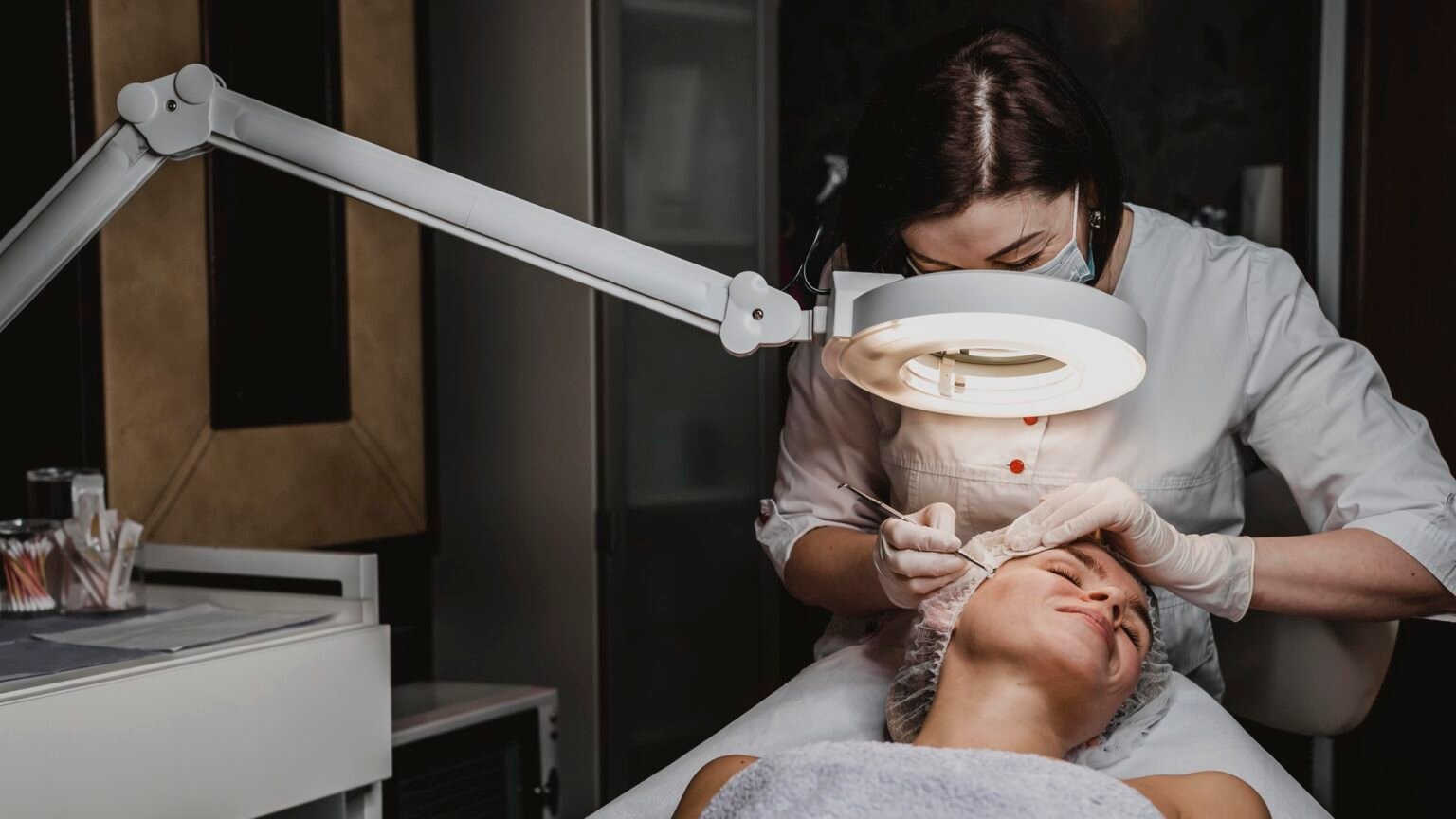
The skin is cleansed and prepared. Our comfort protocol combines prescription-strength topical anaesthesia with continuous air cryotherapy to keep the session tolerable.
STEP 04
The protocol is performed systematically with parameters adapted to the objective and the skin. Most patients describe quick hot pinpricks or a mild snapping sensation, eased by the cooling.
STEP 05
Barrier-supportive aftercare, cooling LED light therapy and a barrier-repair mask, strict photoprotection and written recovery instructions. Follow-up is arranged according to intensity.
RESULTS & RECOVERY
Days to months
DAYS 1–3
Redness, warmth and mild swelling may occur. The skin can feel much like sunburn. Cooling and barrier support are at their most useful here.
DAYS 3–7
Dryness, bronzing or fine flaking may develop as the treated skin renews. Mineral makeup is usually possible from around day five.
WEEKS 2–4
Tone and texture progressively settle. Residual redness varies with treatment intensity and individual skin response.
MONTHS 1–6
Collagen remodelling continues gradually. Improvement develops over months rather than overnight, which is the part worth being patient for.
The degree of improvement and the number of sessions required vary according to the condition treated, scar depth, skin type, treatment intensity and individual healing response. No specific outcome can be guaranteed.
REAL PATIENT RESULTS
Consent first
No image is published without the patient's specific written consent for that use, which they can withdraw at any point.
Same position, same lighting, same distance, same lens. Anything else compares photography rather than treatment.
Treatment performed, number of sessions and the follow-up interval are stated with every pair of images.
Nothing is edited in a way that alters the treatment outcome, and individual results vary.
Your own baseline photography is established at the assessment, so what you compare later is your own skin rather than someone else's.
CANDIDACY & SAFETY
Assessed, not assumed
MAY BE CONSIDERED FOR
Suitability still depends on skin type, indication and how much recovery you can give the treatment.
ASSESSMENT REQUIRED · MAY BE POSTPONED, MODIFIED OR AVOIDED
Contraindications are not limited to this summary. Final candidacy is determined during clinical assessment.
Not sure which laser is right for your skin?
Book a skin consultation (opens in a new tab)MONT FLEURI, MAHÉ
TREATMENT INVESTMENT
Starting prices
Your final plan depends on the area treated, the indication and the intensity required. These are current starting prices.
TARGETED CORRECTION
From SCR 4,500per session
A selected localised area — peri-oral, peri-ocular or a specific scar or sun spot — treated with the personalised fractional protocol.
Best for: localised sun spots or isolated textural issues.
Book a skin consultation (opens in a new tab)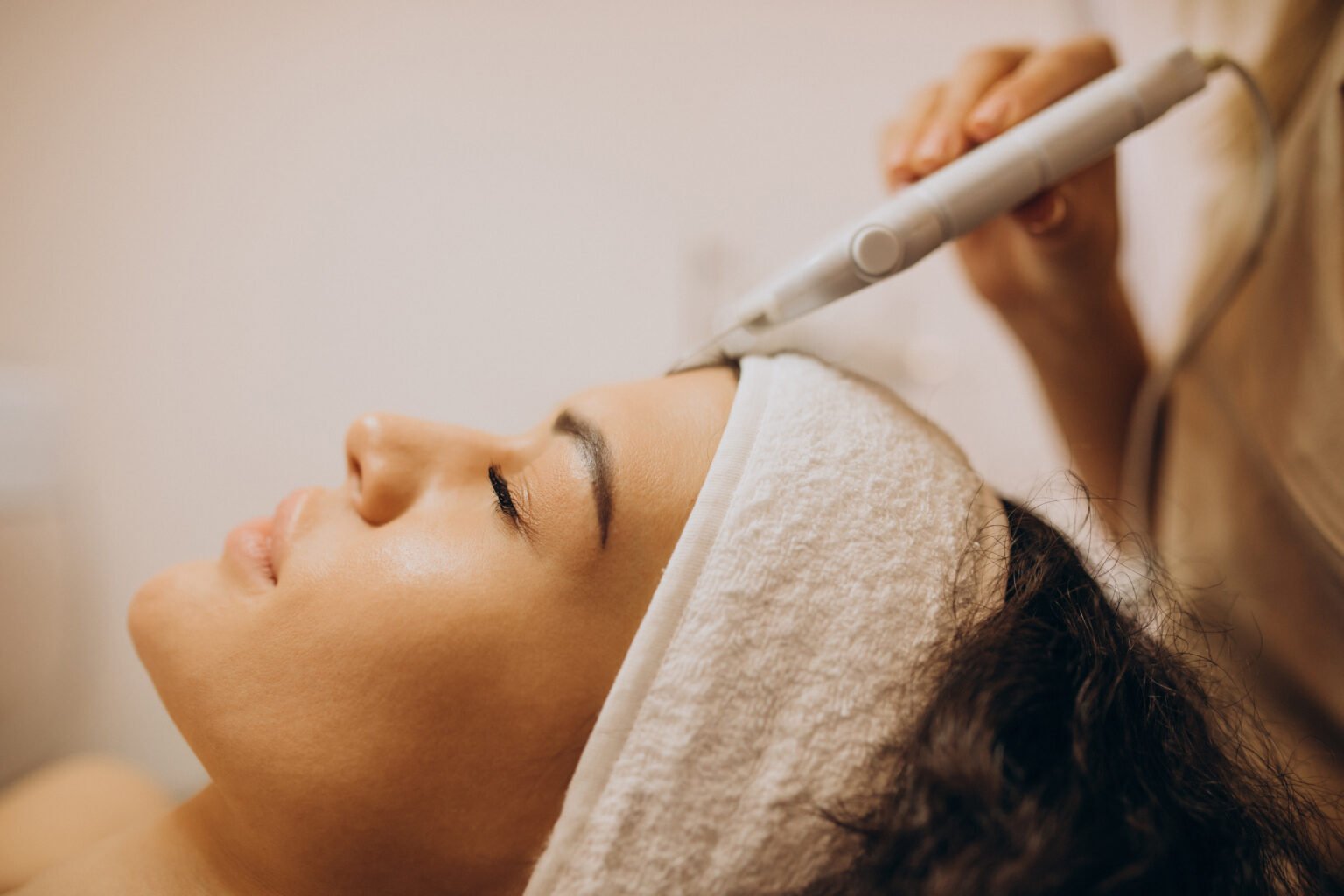
FULL FACE REJUVENATION
SCR 8,500per session
Full-face FRAX-DUAL 360 treatment, personalised topical numbing and air cryotherapy, post-treatment LED recovery therapy and a premium soothing mask.
3-session plan: SCR 21,675 — save 15%.
Book a skin consultation (opens in a new tab)
FACE + NECK + DÉCOLLETAGE
SCR 12,000per session
An extended resurfacing protocol for selected patients and indications, where the neck and chest show the same photodamage as the face.
Best for: complete upper-body rejuvenation, subject to clinical assessment.
Book a skin consultation (opens in a new tab)Prices and inclusions are subject to clinical assessment and may change. A consultation is required before treatment. Flexible in-clinic payment plans are available, and our team can talk you through combining this with other treatments in your plan.

MEDICAL AUTHORITY
Dr. Eric Licea, MD, MSc
Medical Director — Victoria Aesthetics · Specialist in medical-surgical laser and advanced aesthetics
With over 30 years of clinical experience and as a member of the Spanish Society of Medical-Surgical Laser (SELMQ), Dr. Licea works at the intersection of surgery and energy-based medicine. Founder of Clínicas Licea in Spain and Medical Director of Victoria Aesthetics in Seychelles, he combines a background in general surgery with advanced photonic protocols to pursue structural results without a scalpel.
Member of the Spanish Society of Medical-Surgical Laser (SELMQ)
Internal facial and body tightening using subdermal optical microfibres.
Advanced fractional cell renewal for lines, blemishes and selected scars.
High-precision targeting of localised fat to refine the silhouette.
Intimate treatments aimed at physiological and functional health.
Victoria Aesthetics combines physician-led assessment, advanced aesthetic technology and structured clinical follow-up in Mahé, Seychelles.
QUESTIONS
Discomfort is usually manageable. Prescription-strength topical anaesthetic is applied for 30 to 40 minutes beforehand and air cryotherapy cools the skin throughout. Most patients describe tolerable heat or pinpricks rather than sharp pain, though individual sensitivity varies.
It can be, when patient and parameters are selected carefully. Because the laser is fractional it leaves untreated bridges of skin intact, which substantially reduces the risk of post-inflammatory hyperpigmentation compared with older fully ablative lasers. It does not remove that risk, so settings are kept conservative for melanin-rich skin and some patients are advised toward a different treatment.
Expect around 5 to 7 days of social downtime for a standard full-face treatment. Days 1 to 3 involve redness and swelling similar to sunburn; days 4 to 7 involve gentle flaking or bronzing as the treated skin sheds. Many patients work from home from day 3 and wear mineral makeup from around day 5. A lighter protocol means less downtime and a more gradual result.
Strict sun avoidance is required for four weeks afterwards. If your life involves unavoidable direct tropical sun, we either adjust the plan or schedule the treatment for a period when you can stay protected. This is not a detail to work around — it is the single thing that most affects whether pigmentation returns.
Melasma is assessed separately. It is heat-sensitive and can be aggravated by the wrong laser, so resurfacing is not automatically the right answer for it. If melasma is your main concern, the consultation will look at a different pathway, which may combine medical skincare, photoprotection and a gentler device.
The same technology, a different starting point. This page is about the surface and structure of the whole treated area — photodamage, texture, tone and collagen. Where the main problem is a defined scar, particularly a tethered or ice-pick one that may need subcision, the scar revision pathway is the right place to start.
There is no single number. Lighter protocols usually need more sessions for a comparable result; more intensive ones need fewer but cost more recovery. The condition treated, your skin type and your healing response all matter, and the plan is agreed with you rather than assumed.
Confidential · physician-led · the consultation fee is deductible from your treatment.
PERSONALISED LASER CARE IN MAHÉ
Your consultation is designed to determine whether fractional resurfacing is appropriate for you — and, if it is, which intensity and recovery plan match your skin and your goals.
Our candidacy commitment. Book the comprehensive skin mapping and diagnostic consultation. If the clinical assessment finds that your skin is not a good candidate for this laser, the SCR 900 consultation fee is waived in full and we recommend a safer, more appropriate alternative at no cost to you.
No pressure to proceed with treatment · individual candidacy assessment · clear recovery guidance.
NOT READY TO BOOK?
A practical guide to sun protection, skin-barrier care and planning your recovery after professional laser treatment in a tropical climate.
We send rarely and you can unsubscribe at any time.

Book the skin consultation to have your skin type, indication and realistic recovery window assessed before anything is scheduled, or take the online assessment first if you would rather start from home.
Confidential. Physician-led. Fully deductible from your treatment plan.
Take our personalized assessment to find the perfect protocol for your goals.
CONTACT US
Your wellness journey is important to us. We believe in open communication and partnership with our patients. Share your experiences, ask questions, and let us know how we can best support you. We're always here to listen and provide the information you need.
You can make an appointment right now, or fill out the form and you'll receive an answer as soon as possible.
CLINIC ADDRESS
Bel Etang Building, Hermitage Road,
Mont Fleuri, Mahé, Seychelles
PHONE
+248 2 511 268
Call us+248 2 511 268
Talk with us (opens in a new tab)seychellesaesthetics@gmail.com
Send an emailA 50% deposit confirms your appointment ·
ACCREDITATIONS & MEMBERSHIPS







VICTORIA AESTHETICS & WELLNESS CENTRE
International Standards. Island Luxury.
CLINIC HOURS
Monday–Friday: 8:30 AM – 4:30 PM
Saturday: 8:30 AM – 12:30 PM
General medical disclaimer: Educational content only — not medical advice, diagnosis, or a guarantee of individual outcomes. All treatments at Victoria Aesthetic & Wellness Clinic are offered under strict physician supervision, with individual assessment, informed consent, and documented follow-up.
© 2026 Victoria Aesthetics Wellness Centre. All rights reserved.
Website by